Has Hand On Web built e-commerce websites that rank on Google?
Yes. We built Aquatropics on WooCommerce and Tropical Fish Co as a custom Shopify storefront, both from scratch. In the 28 days to 23 October 2026 they averaged Google positions of 5.2 and 5.0, with 26,751 Google clicks between them. Tropical Fish Co is run by our founder; Aquatropics is a client.
How long does SEO take for a new online shop?
Tropical Fish Co went live in April 2026 at an average position of 25.1. It averaged 7.3 in July and 5.0 in the 28 days to 23 October 2026. That is one shop in one niche, so treat it as an example rather than a promise: competition, budget and the catalogue all change the timeline.
Do you build on Shopify or WooCommerce?
Both. Aquatropics runs on WooCommerce; Tropical Fish Co is a custom Shopify storefront, where Shopify runs the checkout and stock and our own front end handles the design and pages. We pick the platform from the catalogue, the budget and who will run the shop day to day.
Can you get an online shop recommended by ChatGPT?
Nobody can guarantee it, because the AI companies decide. What we can do is make a shop’s facts clear and consistent so assistants can quote them. On 26 October 2026, ChatGPT answered “Where can I buy tropical fish online in the UK?” with five shops, Aquatropics first and Tropical Fish Co third. AI assistants now bring 1.6% and 2.5% of the two shops’ purchases.
Does good e-commerce SEO make Google Ads cheaper?
Indirectly, yes. Organic rankings are not part of the ad auction, but landing-page experience is part of Quality Score, and a higher Quality Score lowers the price of a click. Aquatropics’ ads land on its SEO category pages, rated above average on all 21 scored keywords, and it pays about 7p a click.
Can we check your numbers?
Yes. Search figures come from Google Search Console and purchase shares from Google Analytics 4; each case study names the property and we will walk you through the live reports on a call, with the shop’s permission where it is a client’s data. Load times come from Google’s public Chrome UX Report, reviews sit on Trustpilot, Google and Judge.me, and any third-party rank tracker will show the same direction for both domains. We publish enough to be checked, not everything the shops know.
Do you work with pet shops that sell other animals, or shops outside pets?
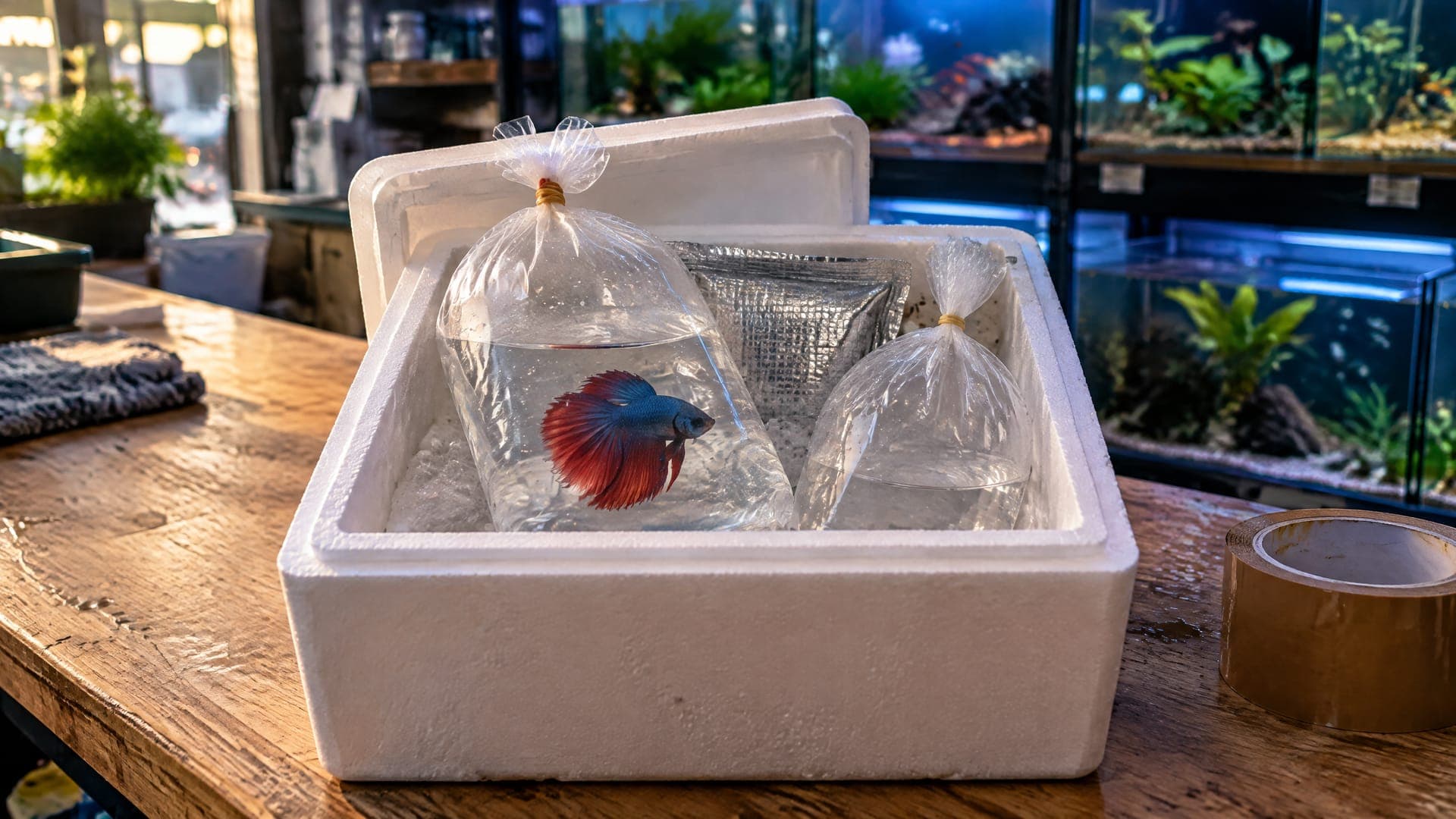
Yes. Live fish are the hardest case: a late courier means a dead animal, a council licence applies, and buyers need care facts before they pay. A shop that sells reptiles, birds, pet food or anything else inherits the same method: pages built from real searches, facts that agree everywhere, structured data, fast phones, and a dated test-and-measure loop. The animal-welfare rules differ per animal and sit with the licensed operator; we build the shop around them.
Why not just follow ChatGPT’s advice for my shop?
Because it gives every shop the same advice, and no two shops are alike. The decisions on these pages came from each shop’s own data: which searches it already appears for, where buyers drop out, what customers ask the assistant, and what the courier scans say. Shops that follow generic advice find out what went wrong at the end of the month; shops that follow their own data find out the same day.
Do you handle the delivery and the courier?
The shop and its licensed courier handle the animals; we build everything around them. Both shops ship with DX: delivery dates in the checkout, a postcode check before purchase, packing instructions on the pages, a text and an email at each courier scan, and a live-arrival claim process the assistant can start. Tropical Fish Co’s delivery dates are rewritten by a script every hour so they are never out of date.
Does an average position of 5 mean every product is in the top 10?
No. Average position is Google’s average across every time a shop appeared in search. Some searches rank first and some sit on page two; the broad “tropical fish for sale” is still off page one for both shops. The case studies show the searches and pages one by one.
How does Hand On Web write product content for an online pet shop?
We research it before we write it. Each species is looked up in FishBase, Wikidata, Wikipedia and Seriously Fish, with every record stored against the stock code; a language model drafts a care summary from those records only and a second model fact-checks the figures; where sources disagree Seriously Fish wins on aquarium figures and FishBase on scientific facts. 8 search-data calls per listing (Keywords Everywhere, DataForSEO, live Google results and autocomplete) show what UK buyers actually search for, and the answered questions on the page come from those terms. On Tropical Fish Co, 898 of 2,639 listings run past 3,000 words before the care tables are added, the live livestock pages we sampled on 27 October 2026 ran from 6,400 to 8,000 words, and an August 2026 audit corrected 124 adult sizes against FishBase. The listings are then kept under review rather than written once: a June 2026 refresh touched 2,417 of them and 54 dated reviews have run since. We wrote the listings on both shops.
Average position is Google’s average across every time a shop appeared, not a promise that every product is in the top 10. Figures are historical, not forecasts. We publish shares rather than the shops’ sales figures. Full sources and downloadable data are at the foot of each case study.